
Now Reading: Dual Gas & Wood Fireplace: The Ultimate Guide to Hybrid HeatversatilityDual Gas & Wood Fireplace: The Ultimate Guide to Hybrid Heat
-
01
Dual Gas & Wood Fireplace: The Ultimate Guide to Hybrid HeatversatilityDual Gas & Wood Fireplace: The Ultimate Guide to Hybrid Heat
Dual Gas & Wood Fireplace: The Ultimate Guide to Hybrid HeatversatilityDual Gas & Wood Fireplace: The Ultimate Guide to Hybrid Heat

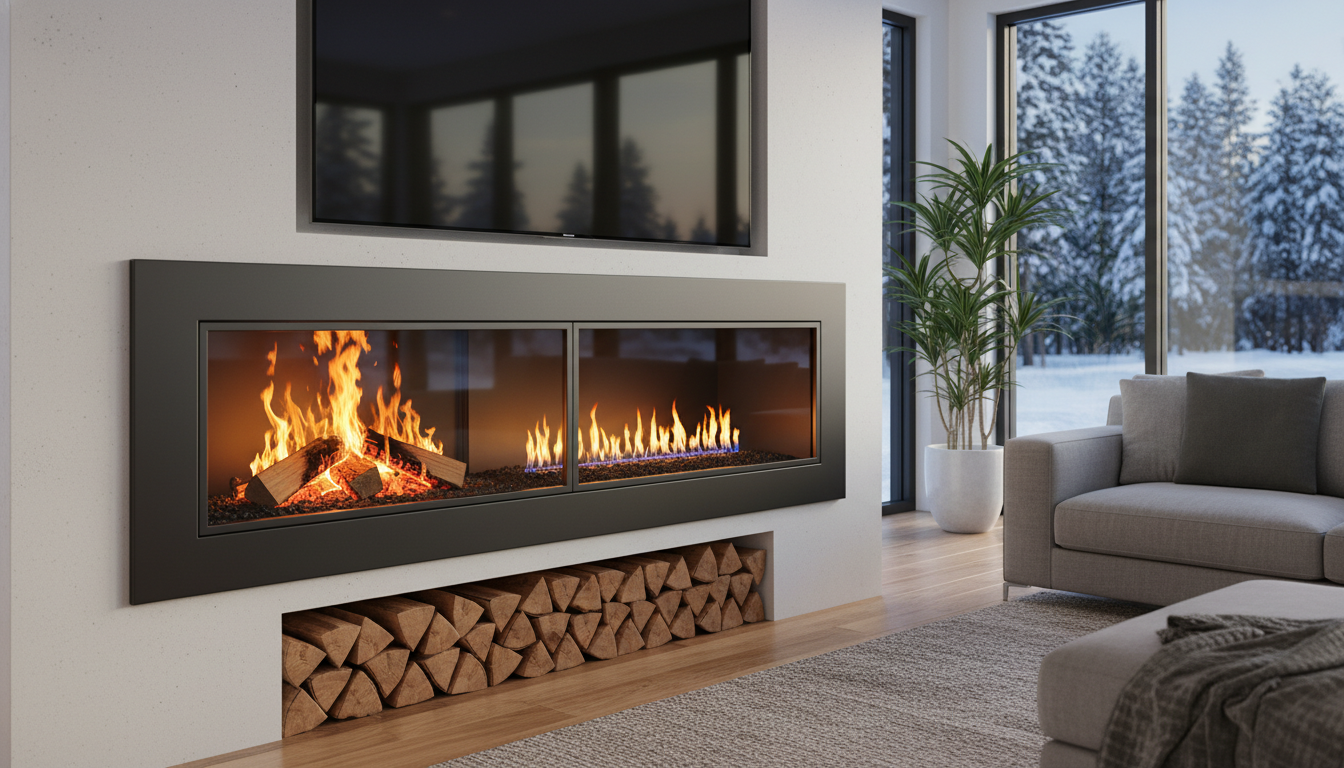
A dual gas and wood burning fireplace provides a versatile, hybrid heating solution, effortlessly combining the timeless warmth of wood with the instant convenience of gas. Enjoy the rustic charm of a crackling wood fire or the clean, effortless heat of gas with a simple switch, merging aesthetic appeal with practical functionality for ultimate comfort.
What is a Dual Fuel Fireplace?
A dual fuel fireplace, often referred to as a combination fireplace or hybrid heating solution, is specifically engineered to operate on two distinct fuel sources. This ingenious design provides homeowners with unparalleled flexibility in how they heat their living spaces. It integrates both a traditional wood-burning firebox and a gas burner system within a single unit.
Users can typically switch between these modes with relative ease, depending on their immediate preferences or heating needs. This adaptability makes it a popular choice for those seeking both efficiency and aesthetic versatility in their fireplace.
Why Consider a Hybrid Heating Solution?
Choosing a dual fuel fireplace offers numerous advantages, blending convenience with traditional ambiance. This type of heating solution caters to a variety of preferences and practical requirements.
- Unmatched Versatility: You gain the flexibility to choose your fuel source based on your mood, the availability of wood, or current energy costs. This adaptability ensures your comfort in any situation.
- Convenience and Ambiance: Quickly ignite a gas fire for instant warmth and minimal cleanup, or indulge in the authentic experience of a crackling wood fire for a cozy atmosphere.
- Energy Efficiency Options: Use wood for sustained, radiant heat during longer periods, or opt for gas for quick warmth on chilly mornings. This optimizes energy usage.
- Reliable Backup Heat: The alternative fuel source provides a dependable backup. If you run out of wood, gas is readily available; conversely, wood can be used during a power outage affecting gas systems.
- Enhanced Aesthetics: Enjoy the visual appeal and design versatility that comes with having both options. This adds a sophisticated focal point to any room.
Understanding the Dual Fuel Mechanism

Dual fuel fireplaces seamlessly transition between wood and gas, offering the ambiance of a traditional fire and the convenience of a gas flame. This adaptability allows homeowners to choose their preferred heating method based on convenience or aesthetic preference.
They are designed with distinct features that accommodate either solid fuel or natural gas/propane. The fundamental engineering allows for safe and efficient operation regardless of the fuel selected. This versatility makes them a popular choice for modern homes.
Switching Between Wood and Gas
The process of switching between wood and gas in a dual fuel fireplace is designed for ease and safety. A “gas fireplace conversion” often involves the installation of a gas burner assembly into the existing firebox. This setup allows for the removal of the gas system when a wood fire is desired.
To burn wood, the gas logs and burner must be carefully removed, clearing the “wood burning chamber” for logs. Conversely, for gas operation, approved “gas logs” are placed over the gas burner, which is then connected to the home’s gas supply. These logs are primarily decorative, creating the visual appeal of a real wood fire without the actual smoke or ash.
Key Components and Safety Features
At the core of these units is the “wood burning chamber,” designed to withstand high temperatures and efficiently vent smoke. When operating on gas, specialized “gas logs” are utilized, often made from ceramic or refractory cement, which glow realistically. These logs are a crucial part of the gas system, enhancing both aesthetics and heat distribution.
Safety is paramount in dual fuel fireplaces, with multiple mechanisms integrated into their design. These include oxygen depletion sensors for gas operation and proper damper controls for wood burning. Strict “ventilation requirements” are also in place, ensuring safe exhaust of combustion byproducts for both fuel types. This typically involves a fully functional chimney system that meets all local building codes.
Unmatched Versatility and Convenience

Choosing a combination fireplace offers unparalleled flexibility, blending the rustic charm of wood burning with the effortless convenience of gas. This hybrid fireplace provides benefits like instant warmth and easy ignition, making it perfect for busy lifestyles. You can enjoy the best of both worlds with a simple switch.
Enjoy the convenience of gas for quick, no-fuss heat during chilly mornings or opt for a traditional wood fire on a cozy evening. This adaptability ensures comfort on your terms, providing heat whenever you need it without the constant need for tending a fire.
Enhanced Heating Efficiency
Combination fireplaces are designed for superior heating efficiency, making them an excellent energy-efficient fireplace choice. They often incorporate advanced combustion technology to maximize heat output from both fuel sources. This design results in significant energy savings for homeowners.
By leveraging the strengths of wood for sustained, radiant heat and gas for rapid, controlled warmth, these units can reduce overall heating costs. Their ability to switch fuel types allows for optimized energy use based on your immediate needs.
Aesthetic Appeal and Ambiance
A combination fireplace significantly enhances the aesthetic appeal of any living space, becoming a captivating focal point. The visible flames, whether from crackling wood or a clean gas burn, create a warm and inviting atmosphere. This contributes greatly to the desired fireplace ambiance.
Homeowners can choose between the rustic beauty of a roaring wood fire or the modern simplicity of a gas flame, complementing various interior designs. These fireplaces elevate your home’s decor while providing a comforting glow.
Reliable Backup Heat Source
One critical advantage of a combination fireplace is its reliability as a backup heat source. In the event of a power outage, these units can continue to provide warmth, especially when operating on wood. This ensures comfort and safety for your household.
Having a dependable alternative heating solution offers valuable peace of mind during unexpected emergencies. It safeguards your home against cold snaps and ensures a continuous source of heat when the primary power grid is down.
Potential Drawbacks and Considerations

While dual fuel fireplaces offer significant versatility, prospective owners should be aware of several potential drawbacks. Understanding these challenges upfront ensures a more informed decision and realistic expectations. Addressing these points helps prepare for the long-term commitment.
Higher Initial Investment
One significant factor to consider is the “dual fuel fireplace cost,” which often exceeds that of single-fuel alternatives. The advanced engineering required for these versatile systems contributes to a higher upfront expense. This initial investment covers more complex components and diversified fuel handling capabilities.
Installation and Venting Challenges
The “installation complexity” of dual fuel fireplaces can be substantial. These units often require specialized venting systems to accommodate both gas and wood-burning capabilities, which can complicate the installation process. Furthermore, “space requirements” must be carefully evaluated to ensure adequate clearance and proper ventilation for safe operation.
Increased Maintenance Demands
Operating a dual fuel fireplace typically involves “increased maintenance demands.” Regular cleaning is essential for both wood ash and gas components, requiring diligent attention. Proper “fireplace maintenance” is crucial to ensure efficient and safe operation across both fuel types.
Fuel Storage and Supply
Managing two distinct fuel sources also presents unique logistical considerations. Owners must account for adequate “fuel storage” for both wood and gas, which might require considerable space. Reliable access to both fuel types is also necessary to fully utilize the fireplace’s dual functionality.
Types of Dual Gas and Wood Fireplaces

Dual gas and wood fireplaces offer incredible versatility, blending the ambiance of a wood fire with the convenience of gas. These hybrid units provide homeowners with flexible heating options. Understanding the different configurations helps in choosing the best fit for your home.
We will explore three main types: dual fuel fireplace inserts, built-in combination units, and conversion kits. Each option caters to different installation scenarios and aesthetic preferences.
Dual Fuel Fireplace Inserts
Dual fuel fireplace inserts are designed to fit directly into an existing masonry fireplace opening. They transform an inefficient open hearth into a highly effective heating appliance. These units often feature advanced combustion technologies for improved efficiency.
Opting for a “fireplace insert dual fuel” model allows you to switch between burning wood and utilizing natural gas or propane. This provides warmth and ambiance even when you don’t have wood available or prefer a quick, clean burn.
Built-in Combination Units
Built-in combination units are full-scale appliances integrated directly into the structure of a new or renovated home. They are ideal for creating a prominent focal point in a living space. These units are not limited by an existing fireplace opening.
Choosing a “built-in hybrid fireplace” allows for greater design flexibility, as they can be vented through a wall or roof. Installation typically involves more construction work, but the result is a seamless and powerful heating solution.
Converting Existing Fireplaces
For those who wish to add gas functionality to their current wood-burning fireplace without replacing the entire unit, a fireplace conversion kit is an excellent choice. These kits typically involve installing a gas log set and burner system. They work alongside the existing wood-burning capability.
“Fireplace conversion kit” options provide the convenience of gas ignition, allowing you to easily light a fire or enjoy a gas flame without the mess of wood. It’s a cost-effective way to enhance an existing traditional fireplace.
Installation, Safety, and Building Codes

Ensuring a safe and efficient fireplace begins with expert installation. Professional fireplace installation is paramount for both safety compliance and achieving optimal performance from your heating appliance. This crucial step prevents potential hazards and ensures compliance with stringent fireplace safety standards.https://puretechzone.com/can-you-put-a-memory-foam-topper-on-a-memory-foam-mattress-complete-guide/
Why Professional Installation is Crucial
Opting for professional installation guarantees that your fireplace is set up correctly from the outset. Experts understand the complexities of the appliance and the surrounding structure. This attention to detail significantly reduces risks associated with improper setup, such as fire hazards and carbon monoxide leaks.
A certified installer ensures every component is correctly fitted and functions as intended. This expertise contributes to the longevity of your fireplace and its heating efficiency. It also provides peace of mind, knowing your home and family are protected.
Understanding Venting and Clearances
Proper venting systems are absolutely critical for any fireplace. These systems safely expel smoke and harmful gases, preventing them from entering your living space. Installers carefully calculate flue size and routing to meet specific venting requirements.
Clearances to combustible materials are another vital aspect of fireplace safety standards. Professionals know the exact distances required between the fireplace, chimney, and nearby flammable surfaces. Adhering to these clearances prevents heat transfer that could lead to structural fires.
Essential Safety Precautions
Beyond initial installation, ongoing safety requires diligence. Implementing regular checks and following best practices can prevent hazards and ensure long-term functionality.
- Schedule regular inspections by qualified technicians to identify wear or potential issues.
- Ensure your chimney is cleaned annually to prevent creosote buildup, a common fire hazard.
- Always burn only approved fuels specific to your fireplace type.
- Keep flammable items well away from the hearth area.
- Install and maintain working smoke and carbon monoxide detectors nearby.
These proactive measures are vital for maintaining high fireplace safety standards in your home.
Navigating Local Building Codes
All fireplace installations must comply with local building codes. These regulations are designed to ensure the structural integrity of your home and the safety of its occupants. Navigating these codes can be complex without professional assistance.
Expert installers are fully knowledgeable about local building codes and permitting processes. They ensure all aspects of the installation, including specific venting requirements and structural modifications, meet legal standards. This compliance is essential for both safety and potential insurance claims.
Routine Cleaning for Both Fuel Types

Maintaining a hybrid fireplace involves a diligent fireplace cleaning routine for both its gas and wood components. Regular upkeep prevents buildup and ensures safe operation throughout the year.
For wood-burning sections, ashes should be removed regularly once cooled to prevent obstruction and improve airflow. The firebox interior should also be brushed to clear soot and creosote, which can impact efficiency and safety.
Gas components require less frequent but equally important attention. The gas logs and burner area should be gently brushed or vacuumed to remove dust and debris. Always ensure the gas supply is off before performing any cleaning in this area.
Importance of Annual Inspections
An annual fireplace inspection is crucial for maintaining efficiency and ensuring the long-term safety of your hybrid unit. A professional technician can identify potential issues before they become major problems.
These inspections check the integrity of all internal components, including the firebox, damper, and gas lines. They also assess the overall condition to guarantee your fireplace operates at peak efficiency.
Chimney and Vent System Upkeep
Proper chimney sweeping and vent system upkeep are paramount for any fireplace, especially hybrids. Blockages can lead to dangerous carbon monoxide buildup and reduced performance.
- Schedule professional chimney sweeping at least once a year, or more frequently if you use the wood-burning component often.
- Ensure the vent system for the gas portion is clear of debris and obstructions.
- Regularly inspect the chimney cap for damage or blockages from nests and leaves.
Extending Your Fireplace’s Lifespan
Extending your fireplace’s lifespan and achieving optimal fireplace longevity hinges on consistent maintenance. Adhering to a strict maintenance schedule will safeguard your investment.
By consistently performing your fireplace cleaning routine and scheduling annual check-ups, you contribute significantly to maintaining efficiency. This proactive approach ensures many years of warm, safe enjoyment from your hybrid fireplace.
Making the Right Choice: Factors to Consider

When choosing a dual fuel fireplace, numerous factors influence your decision. Understanding these elements ensures you select a heating solution perfectly suited for your home and lifestyle. This guide will help you navigate the essential considerations.
Assessing Your Heating Needs and Lifestyle
Begin by evaluating your specific home heating needs. Consider the size of the area you intend to heat and how often you will use the fireplace. Your lifestyle also plays a crucial role in determining the most appropriate system.
- Do you prefer the convenience of gas, or the traditional experience of wood?
- Is the fireplace intended as a primary heat source or for supplemental heating and ambiance?
- Think about how much time you are willing to spend on maintenance and fuel management.
Budgeting for Installation and Fuel
Fireplace budget considerations encompass more than just the initial purchase price. Factor in professional installation costs, which can vary significantly depending on the complexity and type of system. Ongoing fuel expenses are also a major part of your long-term investment.
Research the average costs for different fuel types in your region. This will give you a clear picture of the total financial commitment. Remember that energy efficiency can lead to savings over time.
Aesthetic Preferences and Home Decor
A fireplace is often a focal point in a room, making aesthetics paramount. Consider how the unit will integrate with your existing home decor and architectural style. Options range from rustic wood-burning stoves to sleek, modern gas inserts.
- Choose materials, finishes, and designs that complement your interior.
- Think about the visible components like mantels, hearths, and surrounds.
- Ensure the chosen style enhances the overall ambiance of your living space.
Fuel Availability and Environmental Concerns
Fuel availability is a practical concern for any heating system. Verify that your preferred fuel type, whether natural gas, propane, or firewood, is readily accessible in your area. This ensures continuous and convenient operation of your fireplace.
Consider the environmental impact of fireplaces as well. Newer models often boast improved home heating efficiency and lower emissions. Research local regulations regarding air quality and choose an appliance that aligns with your environmental values.
- Look for EPA-certified wood stoves and inserts if choosing wood.
- Natural gas and propane fireplaces generally have lower particulate emissions.
- Opting for efficient models reduces your carbon footprint.
Conclusion: Embracing the Best of Both Worlds
Dual gas and wood burning fireplaces offer the perfect blend of convenience, efficiency, and the cozy ambiance of a traditional fire. By combining the quick, low-maintenance benefits of gas with the authentic charm of wood, hybrid fireplaces provide a versatile heating solution that fits a variety of homes and lifestyles.
Related Posts


Stay Informed With the Latest & Most Important News
Previous Post
Next Post











Advertisement


