Now Reading: what is dtf printing exploring its advantages and applications
-
01
what is dtf printing exploring its advantages and applications
what is dtf printing exploring its advantages and applications


Introduction to DTF Printing: A Game-Changer in Custom Apparel
The landscape of textile decoration is currently shifting toward more efficient and versatile methods. DTF Printing has emerged as a leading solution for businesses looking to produce high-quality, durable garments.
This technology allows for vibrant designs to be transferred onto a wide variety of fabrics. It bridges the gap between traditional methods and modern digital needs.
For small business owners and crafters, this method offers a low barrier to entry. It provides professional results without the complexity of older printing systems.
The Evolution of Textile Printing
Brief history of custom apparel printing

Custom apparel started with labor-intensive processes like screen printing, which required significant setup time. While effective for bulk, it was often too expensive for small, custom orders.
As digital technology advanced, Direct-to-Garment and heat transfer vinyl became popular alternatives. These methods offered more flexibility but often faced limitations regarding fabric compatibility and durability.
Why new technologies like DTF are emerging
Modern entrepreneurs require a printing method that works on cotton, polyester, and even synthetic blends. They need a system that handles complex colors without high setup costs.
DTF technology addresses these needs by combining digital precision with a robust transfer process. This evolution ensures that even the smallest print shops can compete with larger manufacturers.
What You’ll Learn in This Guide
Overview of DTF technology
We will explore the technical mechanics of the Direct-to-Film process. This includes understanding the specific inks, films, and adhesive powders that make the process possible.
Key advantages and practical applications
This guide highlights the specific benefits that make this method a game-changer for custom apparel. We will discuss its washability, stretch resistance, and its ability to produce fine details.
Comparison with other printing methods
To help you make an informed investment, we will compare this technology to screen printing and DTG. You will learn which scenarios favor this modern approach over traditional alternatives.
What Exactly is DTF Printing?
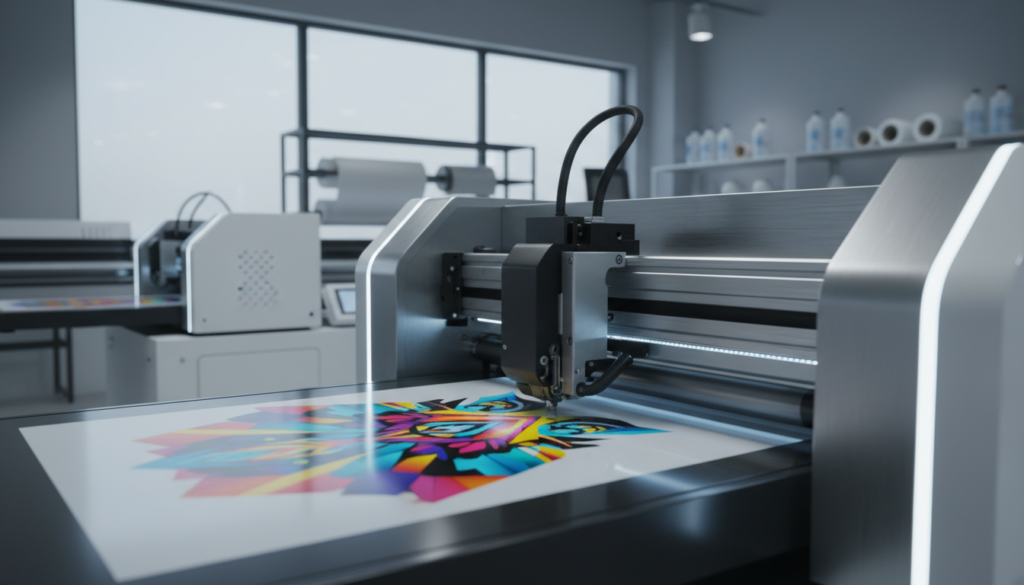
DTF printing has revolutionized the custom apparel industry by offering a versatile and cost-effective way to create high-quality transfers. This method allows business owners to print designs onto a special film and then transfer them directly onto various fabrics.
The workflow is streamlined to accommodate both small batches and high-volume production. It bridges the gap between traditional screen printing and direct-to-garment methods, providing a durable and vibrant finish.
Defining Direct-to-Film Technology
Explanation of the acronym DTF
DTF stands for Direct-to-Film. This name accurately describes the core mechanism where the digital design is printed onto a carrier film rather than the garment itself.
Core concept: printing on film then transferring to fabric
Unlike traditional methods that apply ink directly to the textile, this technology uses a two-step process. The design is first printed onto a PET film and then heat-pressed onto the substrate.
The Step-by-Step DTF Printing Process
Design Preparation and RIP Software
The process begins with a digital design file. Specialized RIP (Raster Image Processor) software is used to manage color profiles and handle the critical white ink layering.
Printing on PET Film (CMYK + White Ink Layers)
The printer applies CMYK colors first, followed immediately by a thick layer of white ink. This white layer acts as a base, ensuring colors remain vibrant on dark fabrics.
Powder Adhesive Application
While the ink is still wet, a specialized hot-melt adhesive powder is applied to the film. This powder sticks only to the wet ink, creating the bonding agent for the fabric.
Curing the Powdered Film
The film then passes through a curing oven or under a heat press. This step melts the powder, turning it into a solid, flexible adhesive layer that bonds with the ink.
Heat Press Transfer to Garment
The cured film is placed on the garment and pressed with a commercial heat press. The heat and pressure transfer the design from the film to the fibers of the textile.
Essential Components of a DTF Setup
DTF Printer (modified inkjet)
A high-quality DTF printer is typically a modified inkjet system. These machines are engineered to handle the unique viscosity of DTF inks and the specific thickness of PET films.
DTF Inks (pigment-based)
These systems use specialized pigment-based inks. They are formulated to be highly flexible and durable, preventing the design from cracking or fading after multiple washes.
PET Transfer Films
PET films serve as the temporary carrier for your designs. They are coated to ensure the ink stays in place during printing and releases cleanly during the heat transfer process.
Hot Melt Adhesive Powder
This granular powder is the “glue” of the operation. It ensures that the printed design adheres permanently to the fabric once heat and pressure are applied.
Curing Oven or Heat Press
A curing oven provides even heat to melt the adhesive powder across the entire design. Some smaller shops use the hovering method with a heat press to achieve this.
Heat Press Machine
The final piece of equipment is a professional heat press. It provides the consistent temperature and heavy pressure required to fuse the design into the garment’s weave.
Unlocking the Advantages: Why Choose DTF Printing?

In the rapidly evolving world of custom apparel, DTF printing has emerged as a transformative technology for entrepreneurs and print shop managers. This method offers a unique combination of flexibility and high-quality output that traditional methods often struggle to match.
By utilizing a specialized film transfer process, businesses can achieve professional results with lower overhead. Understanding these advantages is essential for anyone looking to scale their textile decoration services.
Unrivaled Fabric Versatility
Works on cotton, polyester, blends, nylon, silk, leather
Unlike other digital methods, this process adheres to a wide range of textiles, including synthetic fibers and natural hides. This allows shops to expand their product catalogs far beyond standard t-shirts.
Suitable for both light and dark garments
The use of white ink as a base layer ensures that designs remain vivid on any fabric color. You no longer need to worry about the garment color affecting the integrity or brightness of the design.
Ideal for hard-to-print materials
Items like caps, bags, and neck labels are easily handled through the transfer process. It reaches difficult areas where direct-to-garment printing or screen printing often fails to produce clean results.
Exceptional Print Quality and Durability
Vibrant colors and sharp details
The precision of the film transfer results in crisp lines and photographic gradients. Colors pop with a level of saturation that attracts high-end clientele and demanding custom designers.
Soft hand feel post-transfer
Advancements in adhesive powders have resulted in a finish that feels lightweight on the skin. This ensures the wearer remains comfortable even when the garment features large, complex graphic designs.
High washability and stretch resistance
Prints are engineered to withstand dozens of laundry cycles without cracking or peeling. The inherent elasticity of the ink allows the design to move and stretch with the fabric without losing its shape.
Efficiency and Cost-Effectiveness
No pre-treatment required (unlike DTG)
By eliminating the pre-treatment stage, you save significant labor time and reduce the risk of staining expensive garments. This streamlines the entire production floor and minimizes chemical usage.
Reduced ink waste
The digital nature of the process ensures that only the necessary amount of ink is used for each specific design. This minimizes overhead costs and reduces the environmental impact of your printing operations.
Economical for small to medium runs
There are no screens to burn or complex setups to tear down, making it perfect for custom orders. You can maintain high profit margins even when fulfilling single-item requests or small batch orders.
Faster turnaround times
The ability to print multiple designs on a single roll of film significantly speeds up the workflow. Orders can be printed, cured, and ready for heat-pressing in a fraction of the time required by traditional methods.
Simplified Workflow and Accessibility
Lower barrier to entry compared to screen printing
The equipment footprint is relatively small and the learning curve is significantly shorter than traditional methods. This makes it an ideal choice for startups, home-based crafters, and growing boutiques.
Less messy and easier cleanup
Dealing with films and powders is much cleaner than managing vats of emulsion and liquid inks. Maintenance routines are straightforward and manageable for small teams without specialized technical backgrounds.
Scalable for home businesses to commercial operations
You can start with a modest desktop setup and easily transition to wide-format industrial printers as your demand grows. The technology is designed to scale alongside your business ambitions and production needs.
Diverse Applications of DTF Printing

DTF printing has revolutionized the textile industry by offering a versatile and cost-effective solution for high-quality transfers. This technology allows creators to apply vibrant designs to a vast array of materials, regardless of color or fabric type.
Business owners and crafters alike are adopting this method to expand their product lines with minimal overhead. The following sections explore how this technology is transforming various market segments.
Custom Apparel and Fashion
The fashion industry remains the largest benefactor of transfer technology, allowing for rapid prototyping and retail-ready production. Designers can now achieve photographic quality on garments that were previously difficult to print.
T-shirts, hoodies, sweatshirts
These staples of the garment industry are ideal for heat transfers. DTF provides a soft-hand feel that rivals screen printing while maintaining the durability needed for frequent washing and wear.
Hats, caps, beanies
Printing on curved surfaces like headwear is notoriously difficult with traditional methods. DTF transfers can be easily applied to various cap styles, including structured trucker hats and flexible knit beanies.
Jackets and outerwear
Heavy-duty materials like nylon, polyester, and treated canvas are often resistant to direct printing. DTF adhesives bond effectively to these surfaces, making it possible to brand high-end windbreakers and winter coats.
Sportswear and activewear
Athletic fabrics require high elasticity to prevent designs from cracking during physical activity. The stretchable nature of DTF films ensures that logos on leggings and jerseys move with the wearer.
Promotional Products and Merchandise
Promotional agencies utilize transfer technology to create branded items that require sharp detail and color accuracy. This versatility allows for cohesive branding across diverse product categories.
Tote bags and backpacks
Canvas and polyester bags are popular promotional items that benefit from the high-opacity finish of DTF. Even on dark fabrics, the colors remain vivid and professional.
Uniforms and workwear
Durability is essential for corporate branding on high-traffic garments. DTF transfers withstand industrial laundering, making them perfect for construction vests, hospitality uniforms, and medical scrubs.
Custom patches and labels
Small-scale branding, such as neck labels or external patches, can be produced in bulk. These small details add a professional touch to any garment line without the need for expensive embroidery.
Event merchandise
For concerts, festivals, and corporate retreats, quick turnaround times are vital. DTF allows for rapid production of event-specific gear without the lengthy setup times associated with screen printing.
Home Decor and Crafting
The interior design and hobbyist markets have seen a surge in personalized textile products. DTF technology enables small shops to offer custom home goods with professional-grade finishes.
Cushion covers and throw pillows
Customized pillows are a favorite for home staging and personalized gifts. The ability to print complex, multi-colored patterns allows for intricate designs that match any interior aesthetic.
Aprons and kitchen linens
Kitchen textiles must endure heat and frequent cleaning. DTF transfers are resilient enough to handle the rigors of a kitchen environment while maintaining their visual appeal.
Personalized gifts
From baby blankets to wedding favors, the ability to print individual names or photos is a significant selling point. This technology makes one-off custom orders profitable for small businesses.
DIY projects
Crafters use DTF transfers to achieve professional results on home equipment. The ease of application allows hobbyists to create boutique-quality items for personal use or local craft fairs.
Specialty and Niche Markets
Beyond traditional retail, DTF printing serves specialized sectors that require flexibility and precision. These markets often rely on the technology to fulfill unique client demands.
Small batch production for startups
Emerging brands often struggle with high minimum order quantities. DTF allows startups to print small runs of inventory, reducing financial risk while testing new designs in the market.
On-demand printing services
The “print-on-demand” model relies on the ability to fulfill orders as they arrive. DTF technology streamlines this process, allowing for fast shipping of custom designs without maintaining large stock.
Complex designs with multiple colors
Traditional methods like vinyl cutting or screen printing struggle with gradients and fine lines. DTF handles complex artwork and photographic images with ease, capturing every detail and color transition.
DTF Printing vs. Other Popular Methods: A Comparative Look

Choosing the right garment decoration technique is essential for business growth and product quality. DTF printing has emerged as a game-changer in the textile industry, offering a versatile alternative to traditional methods.
By understanding how this technology compares to established processes, shop managers and entrepreneurs can better allocate their resources. This guide breaks down the technical and financial differences between the most common printing solutions.
DTF vs. Direct-to-Garment (DTG)
Pre-treatment requirements
DTG printing requires a liquid pre-treatment applied to dark garments to ensure the white ink doesn’t sink into the fibers. This step can be messy and requires a heat press or drying tunnel. DTF eliminates this step entirely, as the adhesive powder is applied to the film rather than the shirt.
Fabric compatibility
DTG is largely restricted to 100% cotton or high-cotton blends for the best results. In contrast, DTF is incredibly versatile, working effortlessly on polyester, nylon, treated leather, and various synthetic blends.
Print feel and durability
DTG offers a “soft-hand” feel because the ink penetrates the fabric fibers directly. While DTF has a slightly more palpable texture on the surface, it provides exceptional stretchability and is less prone to cracking over time.
Cost and maintenance
DTG machines often carry a higher initial price tag and require rigorous daily maintenance to prevent print head clogs. DTF systems generally have a lower entry cost and use less ink per square inch, making them more economical for many small businesses.
DTF vs. Screen Printing
Setup time and costs
Screen printing involves a labor-intensive setup including burning screens, mixing inks, and registering colors. This makes it expensive for small orders. DTF is a digital process with nearly zero setup time, allowing for immediate production.
Color limitations
Screen printing becomes increasingly expensive and complex as more colors are added to a design. DTF handles full-color photographic images and complex gradients with ease, requiring no additional effort or cost for extra colors.
Versatility for small runs
For single items or small batches, screen printing is rarely cost-effective due to the labor involved in setup. DTF allows print shops to profitably produce “one-off” custom designs or small team orders without the overhead of traditional screens.
Complexity for multi-color designs
Achieving perfect registration in multi-color screen printing requires high-end equipment and significant skill. DTF prints the entire design onto a film in one pass, ensuring perfect alignment and crisp details every time.
DTF vs. Sublimation Printing
Fabric type restrictions
Sublimation is limited to white or very light-colored polyester fabrics because the ink must bond with polymer fibers. DTF removes this limitation, allowing high-quality transfers onto dark fabrics and natural materials like cotton or silk.
Color vibrancy on dark fabrics
Since sublimation ink is transparent, it is invisible on black or dark-colored garments. DTF uses a dedicated white ink layer as a base, which ensures that colors remain vibrant and opaque regardless of the substrate color.
Durability and washability
Sublimation is the most durable method because the ink becomes part of the fabric itself. However, modern DTF transfers are highly wash-stable and resistant to fading, making them a reliable choice for workwear and frequently washed apparel.
Process differences
Sublimation uses heat to turn ink into a gas that dyes the fabric fibers. DTF uses a mechanical bond where a hot-melt adhesive powder fuses the printed design to the surface of the garment under heat and pressure.
When to Choose DTF Over Other Methods
Summary of ideal scenarios for DTF
DTF is the ideal choice for businesses that need to print complex, multi-color designs on a wide variety of fabric types. It is particularly effective for small to medium-sized orders where speed and color accuracy are prioritized.
Situations where other methods might be preferred
Screen printing remains the king of high-volume, single-color bulk orders due to its low per-unit cost at scale. Sublimation is still preferred for “all-over” prints on white polyester performance wear where maximum breathability is required.
Considerations for Implementing DTF Printing

Integrating DTF printing into your production workflow requires a strategic approach to ensure long-term profitability and high-quality output. This technology offers significant flexibility for custom apparel designers, but success depends on understanding the underlying operational requirements.
Initial Investment and Running Costs
Equipment costs (printer, heat press, curing unit)
Purchasing a dedicated DTF printer is the largest upfront expense, with prices varying based on speed and width. You will also need a reliable heat press for application and a curing unit or oven to melt the adhesive powder.
Consumables (ink, film, powder)
Running costs are driven by specialty CMYK and white inks, PET transfer films, and hot-melt adhesive powder. Bulk purchasing these materials can lower your cost per garment, significantly improving your overall profit margins.
Maintenance and operational expenses
Daily maintenance is essential to prevent white ink from clogging the print heads, which can lead to costly repairs. Budgeting for replacement parts and cleaning solutions ensures your equipment remains operational during peak production periods.
Workspace Requirements and Ventilation
Space needed for equipment
A functional DTF setup requires enough room for the printer, a powdering station, and the curing oven. Ensure your layout allows for a smooth workflow, moving from the digital file to the final heat-pressed product.
Importance of proper ventilation for fumes
The curing process releases fumes that must be managed through an air filtration system or external exhaust. Maintaining a clean, well-ventilated environment protects your health and prevents residue buildup on your equipment.
Learning Curve and Best Practices
Tips for achieving optimal print quality
Consistency is key; always calibrate your color profiles and test your heat press temperature for different fabric types. Using high-quality film and powder will result in a softer hand-feel and better wash durability for the end user.
Common troubleshooting for beginners
If you experience ink bleeding or poor adhesion, check your humidity levels, as moisture can affect the powder’s performance. Regularly monitor your nozzle checks to identify and resolve banding issues before they ruin a large production run.
The Future of Direct-to-Film Technology

The landscape of textile decoration is shifting rapidly as Direct-to-Film Technology continues to mature and gain mainstream adoption. For print shop managers and entrepreneurs, this evolution represents a significant leap in production efficiency and versatility.
As we look toward the next decade, the technology is expected to become the primary choice for both small-batch and high-volume orders. This shift is driven by a commitment to improving user experience and expanding the range of compatible substrates.
Innovations and Emerging Trends
The current trajectory of the industry suggests a focus on refining the technical nuances of the printing process. Manufacturers are prioritizing reliability to ensure that even novice users can achieve professional-grade results consistently.
Advancements in ink and film technology
New formulations in pigment inks are providing higher color density and better stretchability on various synthetic and natural fabrics. These improvements ensure that prints remain vibrant and crack-resistant even after dozens of industrial wash cycles.
Modern transfer films are also evolving to offer superior “cold peel” or “hot peel” consistency, which minimizes the risk of ruined garments. Specialized coatings on these films allow for faster ink absorption and more precise detail retention.
Automation and larger format DTF systems
Integrated systems that combine printing, powdering, and curing into a single continuous workflow are becoming the industry standard. This automation reduces the need for manual labor and minimizes human error during the production cycle.
Larger format printers are also emerging to accommodate industrial-scale production needs for high-volume apparel brands. These wider systems allow for ganging multiple designs on a single roll, significantly increasing the total square footage produced per hour.
Impact on the Custom Printing Industry
The rise of this technology is fundamentally changing how businesses approach custom apparel and branded merchandise. It effectively bridges the gap between small-scale DIY projects and traditional industrial-level manufacturing.
Democratization of custom apparel
Lower entry costs allow small business owners to produce high-quality garments without the massive capital investment required for screen printing. This accessibility empowers independent designers to compete with established global brands on a level playing field.
The ability to print on demand also reduces the need for large inventories, allowing for more agile business models. Entrepreneurs can now test new designs in the market without the risk of unsold stock.
Sustainability efforts in DTF
Manufacturers are increasingly focusing on eco-friendly consumables, such as water-based inks and biodegradable PET films. These developments help print shops meet the growing consumer demand for environmentally responsible products.
Compared to traditional dyeing or screen printing, this process significantly reduces water consumption and chemical waste. As regulations tighten, the efficiency of these systems will become a key competitive advantage for sustainable businesses.
Conclusion: DTF Printing – A Powerful Tool for Creatives and Businesses
DTF printing has fundamentally changed how small businesses and independent crafters approach custom apparel production. This technology offers a unique blend of versatility and high-quality output that was previously difficult to achieve.
By allowing for vibrant designs on various fabric types, it eliminates the limitations often found in traditional methods. Whether you are printing on cotton, polyester, or blends, the results remain professional and consistent.
For print shop managers, the efficiency of this process means faster turnaround times and lower overhead costs. It provides a scalable solution that grows alongside your business demands and customer expectations.