Now Reading: What Temp is Cold Smoke? The Ultimate Guide to Safe & Flavorful Smoking
-
01
What Temp is Cold Smoke? The Ultimate Guide to Safe & Flavorful Smoking


Introduction: Demystifying Cold Smoking Temperatures
Cold smoking is a culinary art that transforms food through delicate smoke exposure. This technique requires precise control over the environment to achieve the best results.
Maintaining stable cold smoking temperatures is the most critical factor for success. This guide explores the science and techniques behind this traditional preservation method.
What is Cold Smoking?
Definition and Purpose (flavor, preservation)
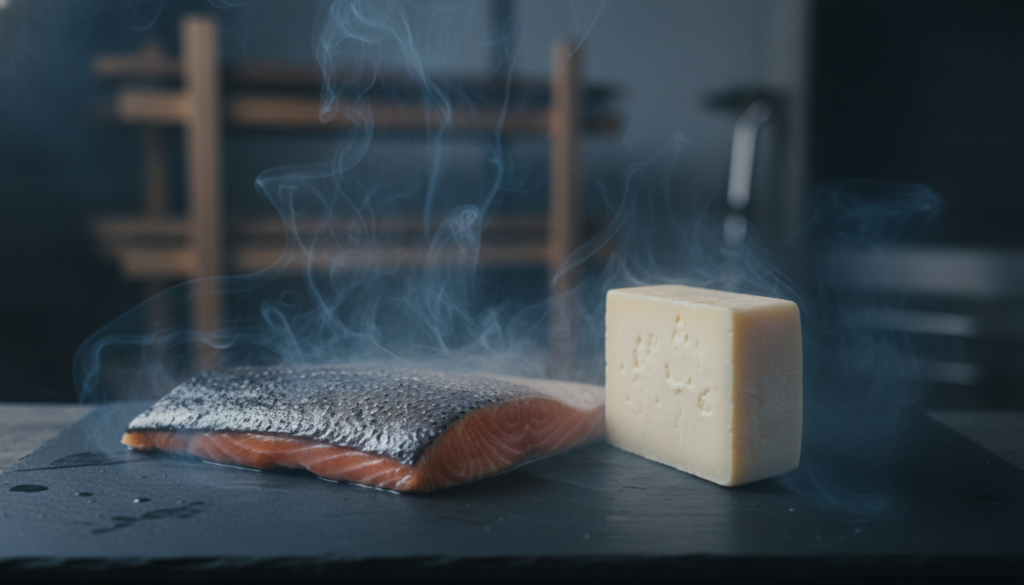
Cold smoking infuses food with a deep, smoky aroma without using heat. It traditionally helps preserve meats and cheeses for longer storage periods.
The process enhances flavor profiles while maintaining the raw state of the ingredients. It is essential for items like lox, bacon, and hard cheeses.
Distinction from Hot Smoking
Hot smoking cooks the food while flavoring it with wood smoke simultaneously. This method uses high heat to break down connective tissues in meat.
In contrast, cold smoking keeps the food away from the heat source entirely. The smoke travels through a tube or chamber to cool down before contact.
Why Temperature is Paramount in Cold Smoking
Flavor Development
Precision allows the smoke particles to bond effectively with the surface of the food. Stable cold smoking temperatures ensure the smoke does not become bitter or acrid.
Food Safety (bacterial growth)
Bacteria thrive in the danger zone between 40 and 140 degrees Fahrenheit. Monitoring the internal temperature prevents the growth of harmful pathogens during the process.
Texture and Moisture Control
High heat causes fats to render and proteins to tighten during the smoking process. Keeping the temperature low preserves the natural texture and moisture of the food.
The Golden Range: What Temp is Cold Smoke?
Determining the correct heat level is essential for any successful smoking project. Professionals follow strict guidelines to ensure both quality and safety for consumption.
The Universally Accepted Temperature Zone
Specific Fahrenheit Range (68-86°F)
The ideal range for most cold-smoked products is between 68 and 86 degrees Fahrenheit. This window provides enough warmth for smoke absorption without cooking the product.
Specific Celsius Range (20-30°C)
In metric units, this range translates to approximately 20 to 30 degrees Celsius. Staying within these bounds ensures the food remains raw and chemically stable.
Emphasize “below 90°F (32°C)” as a general rule
As a general rule, you should always keep the chamber below 90 degrees Fahrenheit. Exceeding this limit begins to change the cellular structure of the food.
Why This Specific Range Matters
Preventing Protein Coagulation
Proteins begin to cook and harden once they reach specific thermal thresholds. Maintaining low cold smoking temperatures prevents the meat from becoming tough or rubbery.
Maximizing Smoke Penetration
Cooler surfaces allow smoke molecules to penetrate deeper into the fibers of the food. This creates a more complex and well-rounded flavor profile in the final product.
Inhibiting Bacterial Growth (but not cooking)
Low temperatures work alongside salt cures to create an inhospitable environment for bacteria. This balance allows for long-term preservation without the need for high heat.
The Science of Safety: Cold Smoke & Bacterial Concerns
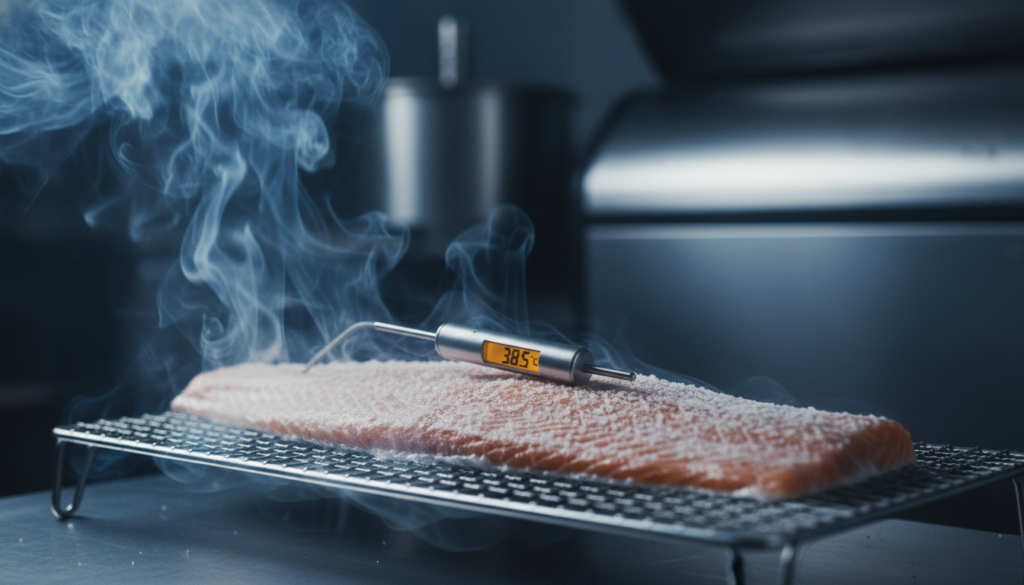
Cold smoking requires a deep understanding of food safety and microbial growth patterns. This process adds flavor and texture without cooking the delicate proteins inside the food.
The Danger Zone Explained
Understanding 40-140°F (5-60°C)
Bacteria thrive in a specific thermal range known as the danger zone. This range spans from 40°F to 140°F where pathogens multiply rapidly. Food left in this range for too long becomes unsafe for human consumption.
Why cold smoking operates within the danger zone
Maintaining ideal cold smoking temperatures usually means staying below 90°F. This range falls directly into the danger zone where bacteria grow most efficiently. Successful preservation relies on other barriers to keep the food safe during processing.
Mitigating Risks: Beyond Just Temperature
Curing (Salt, Nitrates/Nitrites)
Curing is the most vital step in preventing bacterial growth during cold smoking. Salt draws out moisture and creates an environment where harmful microbes cannot survive. Nitrates and nitrites provide specific protection against botulism in low-oxygen smoke environments.
Proper Sanitation
Cleanliness prevents cross-contamination before the food enters the smoking chamber. Sanitize all surfaces, hooks, and racks before they touch your raw ingredients. Wash your hands frequently to ensure you do not introduce new pathogens.
Post-Smoking Handling and Storage
The safety process continues after you remove the food from the smoker. Cool the food quickly to stop any potential microbial activity immediately. Store finished products in a refrigerator or freezer to maintain long-term safety.
Achieving & Maintaining Optimal Cold Smoke Temperatures
Consistency is the key to producing high-quality smoked meats and cheeses. Managing your environment and equipment helps you keep cold smoking temperatures stable.
Essential Equipment for Cold Smoking
Cold Smoke Generators (e.g., maze smokers, pellet tubes)
These tools produce smoke without generating significant heat inside the chamber. Maze smokers use sawdust to create a slow, cool burn for many hours. Pellet tubes offer a simple way to add smoke to existing grills.
Dedicated Cold Smokers vs. Modified Grills/Smokers
Dedicated units often separate the fire box from the smoking cabinet entirely. This physical distance allows the smoke to cool before it reaches the food. Modified grills may require ice pans to keep internal temperatures low enough.
Accurate Thermometers (air temp, food temp)
You must track the internal temperature of the cabinet with a digital probe. Dual-probe thermometers monitor both the air and the food at the same time. Precise data allows you to make quick adjustments before the heat rises.
Environmental Factors to Consider
Ambient Air Temperature
The weather outside directly affects how your smoking chamber performs during the day. Cold smoking is much easier to manage during the fall and winter months. High external heat makes it difficult to keep the chamber below 90°F.
Humidity and Airflow
Airflow carries the smoke across the food and prevents moisture from stagnating. High humidity can lead to condensation which affects the final surface texture. Proper venting ensures that stale smoke exits while fresh air enters the unit.
Wind Protection
Strong gusts can cause the smoke generator to burn too quickly or extinguish. Place your smoker in a shielded area to maintain a steady burn rate. Consistent airflow is necessary for maintaining stable cold smoking temperatures throughout the day.
Tips for Temperature Control
Starting with Chilled Food
Always place your food into the smoker directly from the refrigerator. Cold food takes longer to reach the danger zone during the smoking process. This initial temperature gap provides a safety buffer for the preservation cycle.
Monitoring Constantly
Check your digital thermometer displays every thirty minutes during the smoking session. Small fluctuations are normal but rapid spikes require immediate intervention from the cook. Staying alert prevents the food from accidentally cooking or becoming unsafe.
Adjusting Smoke Generation
If the temperature rises too high, reduce the amount of fuel burning. You can also increase ventilation to let heat escape from the top vent. Adding a tray of ice can help lower the temperature quickly if needed.
Best Foods for Cold Smoking (and what to avoid)

Cold smoking infuses delicate flavor into food without using high heat to cook it. This method requires a temperature controlled environment to ensure the food remains safe to eat.
Successful results depend heavily on selecting the right ingredients for this low-temperature process. You must prioritize food safety by understanding which items require specific preparation before smoking.
Ideal Candidates for Cold Smoking
Many pantry staples and proteins respond well to the gentle application of cool smoke. These items benefit from the deep, complex flavors developed over several hours of exposure.
Cured Meats (Bacon, Ham, Sausages)
Meats must undergo a proper curing process before they enter the cold smoker. Use curing salts to prevent dangerous bacterial growth during the long smoking session.
Bacon and ham develop a traditional smoky profile that enhances their natural savory notes. Always verify that your meat has reached the correct cure saturation before starting.
Fish (Salmon, Trout)
Fatty fish like salmon and trout are classic choices for this preservation technique. A salt and sugar brine helps firm the flesh and prepares it for smoke.
The low temperature preserves the silky texture of the fish while adding a rich aroma. This process creates the popular lox-style finish enjoyed by many seafood enthusiasts.
Cheeses (Cheddar, Gouda, Mozzarella)
Hard and semi-hard cheeses are perfect for absorbing smoke without melting away. Cheddar and gouda provide a sturdy surface that takes on a beautiful golden color.
Keep the smoker temperature very low to prevent the cheese from sweating or losing shape. After smoking, wrap the cheese and let it rest to mellow the flavor.
Nuts, Spices, Salt
You can easily transform ordinary pantry items like almonds or sea salt with smoke. These dry goods absorb flavor quickly and do not require complex safety preparations.
Smoked paprika or black pepper adds a rustic depth to your everyday home cooking. Spread these items in a thin layer to ensure even smoke distribution.
Foods to Approach with Caution or Avoid
Not every food item is a safe candidate for the cold smoking process. Some products carry high biological risks when held at room temperature for long periods.
Uncured Raw Meats (high risk)
Never attempt to smoke raw, uncured meats at temperatures below 90 degrees Fahrenheit. This environment allows harmful bacteria to multiply rapidly and causes serious foodborne illness.
Cold smoking does not cook the meat or kill existing pathogens effectively. Always use a proven curing method if you plan to smoke raw proteins.
Foods with High Moisture Content (prone to spoilage)
Soft fruits and very wet vegetables often spoil before the smoking process is complete. High moisture levels encourage mold growth and prevent the smoke from adhering properly.
Excessive water content can also lead to a mushy texture that is unappealing. Stick to drier items or those that you have properly dehydrated first.
Common Cold Smoking Challenges & Troubleshooting
Even experienced smokers encounter difficulties when trying to maintain a consistent, cool environment. Recognizing these issues early allows you to make corrections before the food is ruined.
Temperature Fluctuations
Maintaining a steady temperature is the most difficult aspect of the cold smoking process. Small changes in the environment can quickly push your smoker out of the safe range.
External weather changes
The outside air temperature directly impacts the internal heat of your smoking chamber. A sunny day can raise temperatures too high, while wind might extinguish your fuel.
Place your smoker in a shaded, protected area to minimize the influence of weather. Use an insulated blanket if you are smoking during a particularly cold season.
Inconsistent smoke generation
Some smoke generators produce heat spikes that can accidentally cook your delicate ingredients. This often happens when the fuel source burns too quickly or too close.
Use a separate smoke box or a long duct to cool the smoke before it hits the food. This separation ensures the temperature remains low throughout the entire duration.
Over-Smoking or Under-Smoking
Finding the perfect balance of smoke intensity requires practice and careful timing. The goal is to enhance the food rather than overpowering its natural taste.
Too much smoke flavor
Leaving food in the smoker for too long can result in a bitter, acrid taste. This often happens when the smoke is thick, white, and lacks proper airflow.
Aim for a thin, blue smoke that moves steadily through the smoking chamber. Let your smoked items rest in the fridge to allow the flavors to balance.
Not enough smoke flavor/color
If the smoke is too thin or the duration is too short, the food may look pale. This usually happens when the wood chips are too dry or the airflow is too high.
Ensure your wood source provides a steady stream of aromatic vapor for several hours. Check the color of your food periodically to gauge the progress of the smoke.
Moisture Issues
Moisture management is essential for achieving the right texture and preventing unwanted chemical flavors. Both too much and too little humidity can negatively affect your final product.
Condensation inside the smoker
Cold air hitting a warm smoke source often creates water droplets on the smoker walls. This moisture can drip onto your food and create a bitter, black soot.
Ensure your smoker has adequate ventilation to allow excess moisture to escape freely. Wipe down the interior walls if you notice significant beads of water forming.
Food becoming too dry
Extended smoking times in low humidity can cause the surface of the food to harden. This “case hardening” prevents smoke from penetrating deep into the center of the item.
Monitor the air humidity and avoid smoking in extremely dry or windy conditions. A small water pan can help maintain a balanced environment for longer smoking sessions.
Conclusion: Mastering the Art of Cold Smoke Temperature
Achieving success with cold smoking requires a blend of technical precision and culinary patience. Mastering this skill allows you to create professional-quality charcuterie and artisanal snacks at home.
Recap of Key Temperature Points
Always keep your smoking chamber below 90 degrees Fahrenheit to protect the food. Use external smoke sources to prevent the heat from rising into the danger zone.
Final Thoughts on Safety and Flavor
Safety should always be your primary concern when working with raw or cured proteins. Properly prepared ingredients will yield the best flavor and ensure a healthy dining experience.
Encouragement for Experimentation
Do not be afraid to try smoking unique items like olive oil or heavy cream. With a solid understanding of temperature control, you can explore many creative flavor profiles.