Now Reading: How to Get Rid of Carpenter Bees: A Complete Guide to Eradication and Prevention
-
01
How to Get Rid of Carpenter Bees: A Complete Guide to Eradication and Prevention
How to Get Rid of Carpenter Bees: A Complete Guide to Eradication and Prevention

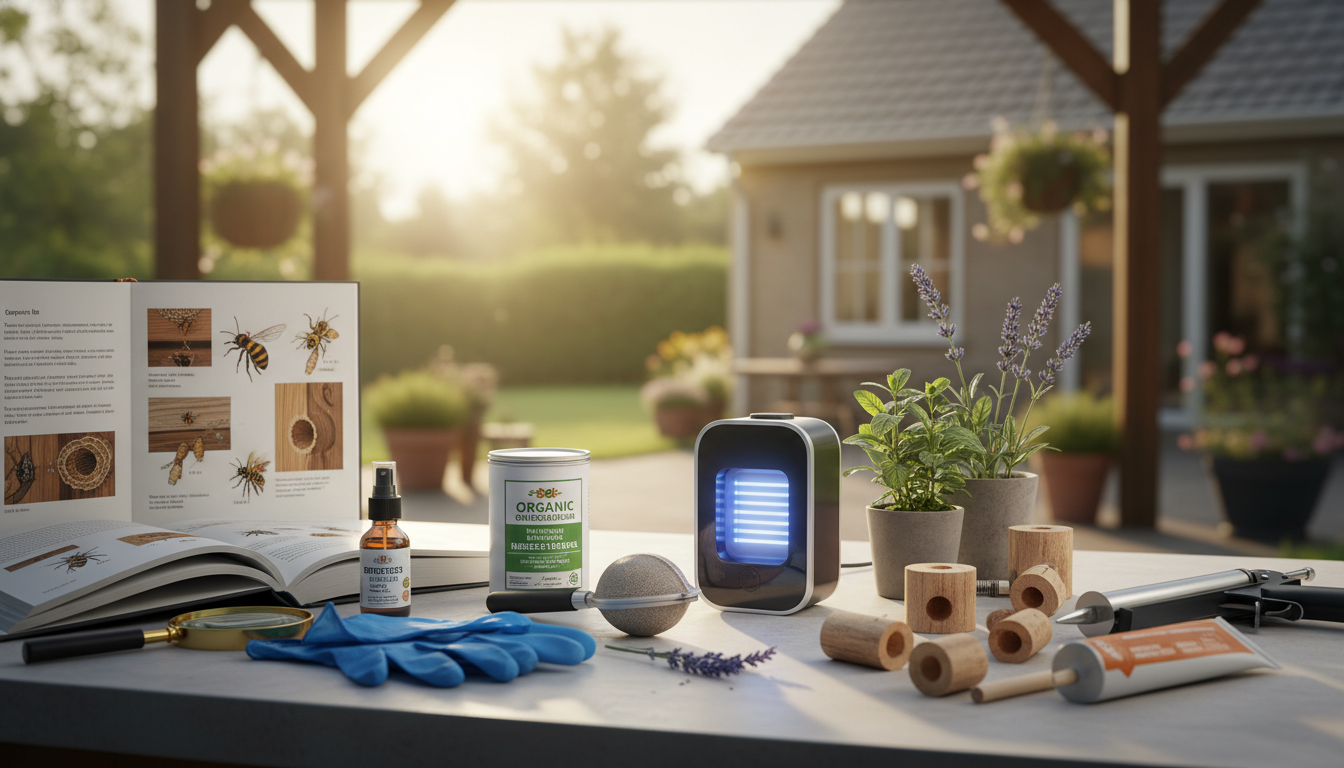
Introduction: Understanding the Carpenter Bee Threat
Carpenter bees look like bumblebees but behave quite differently. They drill perfectly round holes into wooden structures to build nests. Finding these pests early helps prevent serious structural damage to homes.
What are Carpenter Bees and Why Are They a Problem?
Brief overview of carpenter bees
These insects are solitary creatures that prefer to live in wood. They do not eat the material but tunnel through it for nesting.
Initial signs of an infestation (sawdust, drilling sounds)
Look for small piles of sawdust near wooden beams or decks. Listen for faint drilling sounds coming from inside your wooden walls.
Identifying Carpenter Bees: Differentiating Them from Bumblebees
Key physical characteristics (shiny abdomen vs. hairy)
The bees have a shiny, black abdomen without any hair. Bumblebees are fuzzy all over with yellow and black hair bands.
Nesting behavior differences (drilling into wood vs. ground nests)
These pests drill into wood to create their private homes. Bumblebees usually build nests in the ground or thick grass patches.
The Damage Carpenter Bees Can Cause to Your Home
Structural weakening of wooden elements (decks, eaves, fascia)
Tunnels can weaken decks, eaves, and fascia boards over time. This damage compromises the integrity of your outdoor wooden structures.
Aesthetic damage to painted or stained surfaces
Drilling leaves unsightly holes in your painted or stained surfaces. These marks can lower the visual appeal of your property.
Attraction of woodpeckers causing secondary damage
Woodpeckers often peck at the wood to reach the bee larvae. This behavior causes much larger holes than the bees themselves.
Effective Methods to Get Rid of Existing Carpenter Bees

Removing the insects requires a combination of direct and indirect methods. You can choose between DIY solutions or hire a professional expert.
DIY Treatment Options for Active Infestations
Insecticidal Dusts: How to apply and recommended products (e.g., boric acid, carbaryl dust)
Insecticidal dusts like boric acid work well inside deep wood tunnels. Apply the dust directly into the holes using a specialized bulb.
Liquid Insecticides: Sprays for direct application to tunnels and surfaces (e.g., pyrethroid-based products)
Liquid sprays containing pyrethroids help protect large exterior wood surfaces. These products create a barrier that discourages new drilling activity.
Carpenter Bee Traps: Commercial and homemade options, placement strategy
Traps use glass jars to catch bees looking for new holes. Place them near active nesting sites for the best possible results.
Natural Repellents: Discuss the limited effectiveness of common remedies (citrus, almond oil, essential oils)
Natural repellents like citrus oil offer only temporary and limited protection. They rarely solve a large infestation on their own.
Sealing Entry Points After Treatment
Why sealing is crucial for prevention
You must seal old holes to prevent future bee generations. This step stops other insects from using the pre-drilled cavities.
Best materials for plugging holes (wood putty, dowel rods)
Use wood putty or wooden dowel rods to plug the openings. These materials provide a solid barrier against returning insects.
Timing of sealing (after all activity ceases or larvae are gone)
Wait until all bee activity stops before you seal the tunnels. Sealing too early may trap living bees inside the wood.
When to Call a Professional Exterminator
Large or widespread infestations
Large infestations often require specialized equipment for effective treatment. Professionals have the tools to handle extensive wood damage.
Inaccessible nesting sites
Professionals can safely reach nesting sites high on your roof. This reduces the risk of falls or accidents for homeowners.
Safety concerns or lack of DIY confidence
Expert help is best if you feel uncomfortable handling chemicals. They ensure the application is safe for your family and pets.
Persistent re-infestations
Persistent re-infestations suggest a need for a more comprehensive strategy. A professional can identify the underlying cause of the attraction.
Preventing Future Carpenter Bee Infestations: Long-Term Strategies

Effective carpenter bee control requires a proactive approach to keep these pests away from your property. Implementing long-term strategies helps reduce the risk of structural damage to your home.
Protecting Wood Surfaces: Making Your Home Less Appealing
Painting and Staining: Why treated wood is less attractive
Carpenter bees prefer bare, weathered wood for nesting because it is easier to penetrate. Applying a fresh coat of paint or stain creates a protective layer they dislike.
Using Hardwoods: Natural resistance of certain wood types
These insects typically target softwoods like cedar, pine, and redwood for their tunnels. Using hardwoods for outdoor projects provides a natural defense against boring activity.
Varnishes and Sealants: Creating a barrier
Thick varnishes and sealants create a hard barrier that discourages bees from starting new holes. These finishes make the wood surface too slick and difficult for them to grip.
Habitat Modification and Maintenance
Removing old or untreated wood scraps from the property
Old piles of lumber or firewood can act as a magnet for unwanted pests. Clear away any untreated wood scraps to remove potential nesting sites near your house.
Regular inspection of vulnerable areas (eaves, decks, fences)
Check your eaves, decks, and fences every spring for signs of new activity. Identifying early warning signs is a crucial part of successful carpenter bee control.
Repairing existing damage promptly
Bees often return to previous nesting sites or use existing holes for shelter. Seal old tunnels with wood putty or dowels to prevent re-infestation.
Strategic Placement of Deterrents
Sound deterrents (e.g., loud noises, vibrations)
Some homeowners use ultrasonic devices or loud speakers to create vibrations that disturb the bees. While these methods may offer temporary relief, their long-term effectiveness remains fairly limited.
Visual deterrents (e.g., fake nests, reflective surfaces)
Hanging fake wasp nests or reflective tape can sometimes scare away searching female bees. These visual tools work best when combined with other physical barriers and treatments.
Safety Precautions and Environmental Considerations
Handling pest issues requires a careful balance between home protection and safety. Always prioritize the health of your family and the local environment during treatment.
Safe Use of Pesticides
Always read and follow label instructions
If you choose to use chemicals, you must read the entire product label first. Following the manufacturer’s instructions ensures the treatment is both safe and effective.
Protective gear (gloves, eye protection)
Always wear gloves and eye protection when applying any form of chemical treatment. Proper gear prevents accidental skin contact or irritation during the application process.
Protecting children, pets, and non-target wildlife
Keep children and pets away from treated areas until the product has dried completely. Be mindful of how wind drift might affect nearby gardens or water sources.
Minimizing Harm to Pollinators
Targeted application to avoid beneficial insects
Apply treatments directly into the nesting holes rather than spraying entire garden areas. This targeted method protects honeybees and butterflies that visit your nearby flowers.
Understanding the role of bees in the ecosystem
These insects play a vital role in pollinating local plants and supporting the environment. Balancing property protection with ecological awareness is a responsible approach to pest management.
Conclusion: Reclaim Your Home from Carpenter Bees
Recap of Key Strategies for Carpenter Bee Management
Importance of a multi-faceted approach
Combining wood treatment, maintenance, and deterrents provides the best defense against these wood-boring insects. A multi-faceted strategy ensures that no single point of failure leaves your home vulnerable.
The value of consistent prevention
Consistent prevention efforts are much more affordable than repairing major structural damage later. Staying vigilant throughout the year keeps your wooden structures safe and sound.
Final Tips for a Pest-Free Environment
Encouragement for homeowners to take action
You can successfully manage your property by taking small, regular steps toward better maintenance. Start today by inspecting your home for any signs of carpenter bee control needs.
When to seek ongoing professional help
If the infestation seems overwhelming or difficult to reach, contact a pest control specialist. Professional experts have the tools and knowledge to handle severe or persistent problems safely.